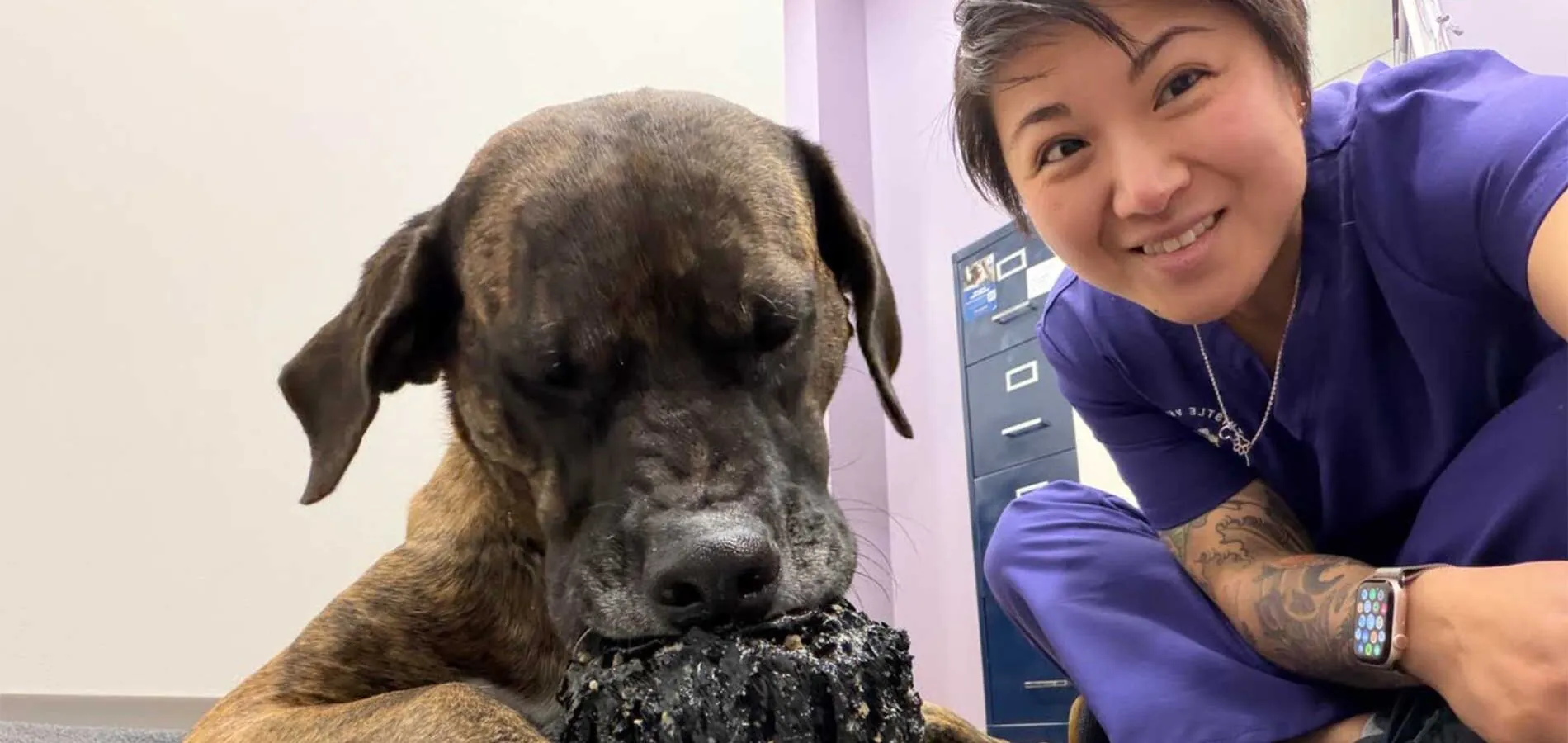
South Lake Union is a neighborhood full of animal lovers. From dogs exploring the sidewalks and parks to cats enjoying the comforts of apartment living, pets are an important part of the SLU community.
Opened in August, Thistle Veterinary Clinic is one of the neighborhood’s newest resources for keeping those furry companions happy and healthy. Led by Michelle Guan, DVM, who brings 12 years of veterinary experience to the practice, Thistle provides personalized care for dogs and cats, with an emphasis on prevention and making veterinary visits less stressful.
We caught up with Dr. Guan to get her expert advice on everything from welcoming a new pet to recognizing subtle signs of illness.
Discover South Lake Union: What should someone bringing home a new pet prioritize during the first few weeks?
Michelle Guan: I always tell people to take it slow and give them time to adjust. For puppies and kittens, socialization is really important. There’s a critical window, up to about 14 weeks, when they’re especially receptive to new experiences. After that, introducing new things can become more difficult.
With adult pets, we don’t always know their history or what they’ve experienced. It’s important to establish a routine, build trust, and meet them where they are. That’s something I emphasize in my practice, too. You get better cooperation and better results when you give pets time to settle and adjust.
DSLU: What does a good preventive care routine look like?
MG: For puppies and kittens, I recommend visits every three to four weeks for vaccine boosters and other early care. Once they’re adults, annual wellness visits are important.
Those appointments allow me to check for subtle changes and monitor trends in weight, dental health, and mobility. For senior pets or those with ongoing medical conditions, I recommend visits twice a year.
Pets age faster than we do, and a lot can change in six months.
DSLU: With so many pet food options available, what should owners look for?
MG: There’s a lot of marketing around pet food, and the most expensive option isn’t necessarily the best.
There are two things I generally discourage: raw food diets and grain-free diets, particularly for dogs.
Raw food carries a greater risk of foodborne illness and contamination. For owners interested in less-processed foods, there are plenty of fresh, cooked alternatives available.
With grain-free diets, there’s an established association with dilated cardiomyopathy, a form of heart disease in dogs. We don’t know exactly what causes that connection, but diets heavy in legumes like peas, lentils, and chickpeas have been a concern.
Unless your pet has a specific dietary need, avoiding grains generally isn’t necessary.
DSLU: What are some subtle signs of illness or pain that owners might overlook?
MG: Two big things are slowing down and changes in behavior, particularly aggression.
People sometimes assume their older pets are just slowing down with age or getting a little cranky. But those changes can indicate pain.
If a dog or cat suddenly doesn’t like being picked up or moved, they might be uncomfortable. Aggression can be their way of saying something hurts.
Pay attention to changes in your pet’s normal behavior rather than assuming they’re simply getting older.
DSLU: SLU is a particularly dog-friendly neighborhood. How can owners keep their dogs safe in a busy urban environment?
MG: I’m a big, big proponent of leashes! Even if your dog has excellent recall and never leaves your side, you can’t predict every situation.
Another dog might approach unexpectedly, or something might startle your pet. Having a leash gives you a way to maintain control and keep everyone safe.
Routine vaccinations are also important. And practice reliable recall. With so many distractions in an urban environment, from other dogs and people to birds and traffic, you need a dependable way to get your dog’s attention.
DSLU: You’re Fear Free Certified. What does that mean for pets visiting Thistle Veterinary Clinic?
MG: A big part of Fear Free care is recognizing the early signs of fear, anxiety, and stress. Some pets freeze when they’re frightened, which can look like cooperation, even though they’re actually very stressed.
We try to recognize those signals early and make the experience more positive. That might mean offering treats, having owners bring a favorite toy, or using calming medications when appropriate.
Sometimes we split procedures between visits or schedule a simple meet-and-greet where a pet comes in, gets treats, makes friends, and goes home.
It’s about meeting the pet where they are rather than forcing them to meet us where we are. Building that trust takes patience, but it can make future visits much easier.
DSLU: What’s the one piece of advice you wish every pet owner knew?
MG: An ounce of prevention is worth a pound of cure. Whether it’s vaccinations, dental care, pain management, or noticing unexpected changes in weight, being proactive is so important.
And trust your gut. Pet owners spend every day with their animals. They know when something isn’t right.
If someone tells me their pet took three minutes to get out of bed when it normally takes 30 seconds, I believe them. I’d always rather check something out and find that everything is fine than overlook a potential problem.
Get to Know Thistle
Whether you’re welcoming a new pet or looking for a veterinary partner for your longtime companion, Thistle Veterinary Clinic offers a thoughtful, individualized approach to care. Visit Thistle’s website to learn more about its services, preventive care philosophy, and appointment availability.
Story by Ethan Chung. Photos courtesy Michelle Guan.